Picture this: you just hired your first employee. Now, you owe the IRS money, but you’re unsure how to calculate the right amount. New-hire paperwork and quarterly tax filings pile up fast, and one missed deadline can mean penalties or back taxes.
Lewis.cpa breaks down how to set up and manage payroll for a small business step by step, from your first EIN application to your next tax filing. If you'd rather hand the whole process to a CPA, our payroll services team can set it up and run it for you.
What Is Payroll Processing?
Payroll is about much more than just cutting checks. It's a complex process that encompasses all aspects of paying your employees, from calculating wages and withholding taxes to managing benefits and ensuring you have enough cash to cover expenses. While these tasks are essential, they can be a major distraction for busy business owners who need to instead focus on growing their business and achieving their goals.
Beyond the core responsibility of paying employees accurately and on time, you must also stay up-to-date with ever-changing tax and wage laws, handle benefits, manage payroll taxes, and maintain vital records. This constant juggling act can take valuable time and energy away from your core business activities.
How to Manage Payroll for a Small Business
Managing payroll for a small business owner can be a challenge, but with the right approach, you can streamline the process and ensure accuracy. Let's break down the key steps involved in managing payroll.
Get a Federal Employer Identification Number
Before you can set up payroll, you'll need an Employer Identification Number (EIN) from the IRS. This nine-digit number identifies your business for federal tax filings and is required to process payroll and open a business bank account; you can apply for free through the IRS website, with approved online applications issued instantly, though you may also need a separate state tax ID depending on where you operate.

Classify Your Workers Correctly
A key first step in setting up payroll correctly is classifying each worker as either an employee or an independent contractor. This decision determines how taxes are handled and which forms must be filed at year-end. Misclassifying workers can trigger back taxes and penalties, so when the answer isn't obvious, review the IRS common-law rules or consult a CPA before you run your first payroll.
Collect New-Hire Paperwork
Every new employee needs to complete a Form W-4 for federal income tax withholding and a Form I-9 to verify work eligibility, while independent contractors complete a Form W-9 instead. Most states also require you to report new and rehired employees to a state new-hire directory within 20 days of their start date, so build this reporting step into your onboarding checklist:
- Form W-4 (employees)
- Form I-9 (employees)
- Form W-9 (independent contractors)
Calculate Gross Pay
This is the employee's total earnings before any deductions. You'll need to calculate gross pay based on their hourly rate, salary, or commissions. Remember to account for overtime pay for hourly workers, which is usually calculated at 1.5 times the regular rate for hours worked over 40 in a week.
Determine Tax Withholdings
This involves deducting payroll taxes from the employee's paycheck to pay federal, state, and local taxes. These withholdings include:
- Federal Income Tax: This is based on the employee's filing status, income level, and number of dependents. The IRS provides tax tables and withholding calculators to assist with this calculation.
- Social Security Tax: This is 6.2% of an employee's gross pay, up to a certain limit. In 2026, the limit is $184,500, up from $176,100 in 2025.
- Medicare Tax Rate: This is 1.45% of an employee's gross pay, with no limit. An additional 0.9% Medicare tax applies to wages over $200,000 for single filers ($250,000 for married couples filing jointly), which employers must withhold but don’t match.
- State and Local Taxes: Some states and localities also impose income taxes, and you'll need to withhold these taxes.
Calculate Net Pay
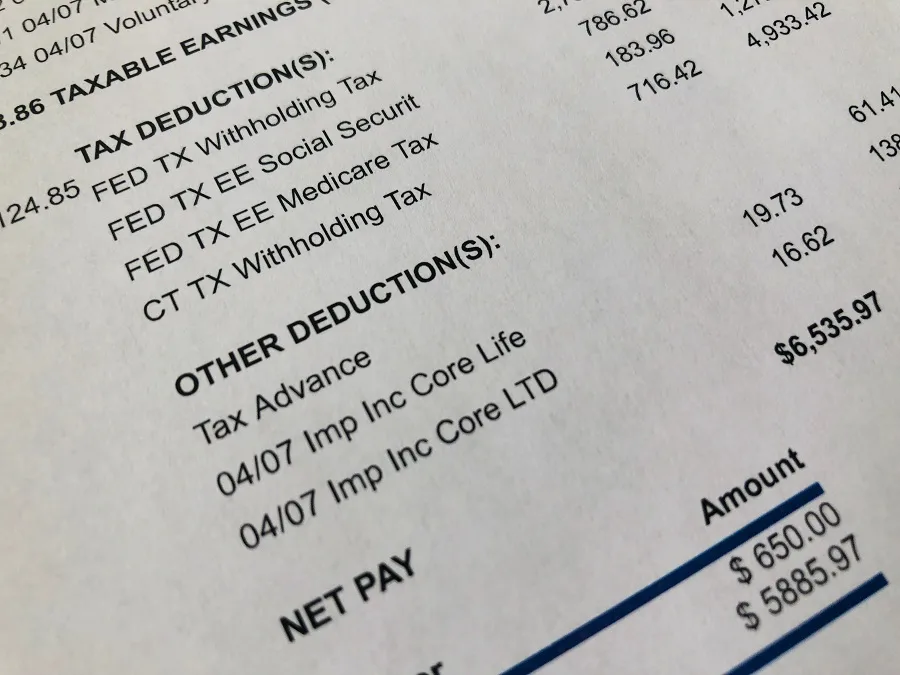
This is the employee's take-home pay after all deductions. You'll subtract tax withholdings, as well as any post-tax or pre-tax deductions (such as health insurance premiums, retirement contributions, or union dues), from the gross pay.
Process Payroll
This involves generating paychecks or making direct deposits, ensuring that employees receive their net pay on time. Consider offering direct deposit to make paying employees both faster and more convenient.
Payroll Taxes
As an employer, you're also responsible for paying payroll taxes. These include:
- Federal Insurance Contributions Act (FICA): This is a combination of the Social Security and Medicare taxes (12.4% and 2.9%, respectively) paid by both the employer and the employee.
- Federal Unemployment Tax (FUTA): This is a tax on the first $7,000 of wages for each employee. The gross FUTA rate is 6.0%, but most employers receive a credit of up to 5.4% for paying state unemployment tax on time, reducing the effective net rate to 0.6%. You'll need to file a tax return and make payments quarterly.
- State Unemployment Tax (SUTA): This varies by state, and you'll need to check the specific requirements in your state.
File Payroll Tax Returns
You'll need to file payroll tax returns with the IRS and your state tax agency on a regular basis (quarterly or monthly, depending on your situation). These returns report the taxes you've withheld from your employees and the taxes you've paid as an employer.
Keep Payroll Records
Under the Fair Labor Standards Act, employers must preserve payroll records, including wages paid and pay period dates, for at least three years, while records used to calculate pay, such as time cards and wage rate tables, should be kept for at least two years. Keeping organized, accurate records protects your business if the Department of Labor or IRS ever requests documentation, and it also gives you a clear trail if you ever need to correct a payroll error.
#cta_start
Let Lewis CPA Take Payroll Off Your Plate
From your first EIN application to your next quarterly filing, Lewis CPA handles the setup, calculations, and compliance so you don't have to. Schedule your free consultation today.
#cta_end
Key Benefits of Managing Payroll for Small Businesses
The payroll management system is essential for a small business to operate successfully for several reasons:
- Accuracy: A well-managed payroll system reduces the risk of errors in calculating wages and deductions.
- Efficiency: Automating payroll tasks saves time and frees up your resources to focus on other aspects of your business.
- Employee Satisfaction: Pay employees accurately and on time to keep employee morale and productivity high.
- Compliance: You must adhere to all federal, state, and local regulations related to payroll and tax withholdings. Failure to comply can result in penalties and fines.
- Financial Stability: Managing payroll effectively helps ensure you have the funds available to pay your employees and meet your financial obligations.
- Business Growth: A well-managed payroll system can free up your time and resources to focus on other aspects of your business to allow for growth and expansion.
An efficient payroll system isn’t just a requirement; it's an investment in your business's success. Prioritize payroll efficiency and accuracy to create a stable foundation for growth and create a positive environment for your employees.
Essential Payroll Management Tools
To streamline the payroll process and avoid errors, you’ll need to use the right tools. There are various software solutions and services available to help you manage payroll efficiently. Here's a closer look:
Payroll Software

Payroll software is designed to automate payroll calculations, tax withholdings, and tax filing, saving you time and reducing errors. Here are some popular options:
- Online Payroll Services: These offer cloud-based payroll solutions, allowing you to process payroll and manage your payroll data online. This can be a convenient option for small businesses, as it often provides access to payroll data from any device and can integrate with other business applications.
- Payroll Software for Small Businesses: There are specific payroll software solutions designed for small business needs, often with user-friendly interfaces and affordable pricing. These solutions often include features specifically tailored to small businesses including simplified setup, mobile accessibility, and budget-friendly plans.
Payroll System
If you're using a payroll service provider, they'll often have their own payroll system that integrates with other accounting and human resources software. These integrated systems can streamline your payroll process, making it easier to manage employee data, track payroll expenses, and generate reports.
When to Choose Payroll Management Software
Using payroll software can significantly streamline your payroll process, reduce errors, and free up your time. Consider using payroll software if:
- You have more than a few employees: Manually processing payroll becomes more difficult as your workforce grows.
- You want to reduce payroll errors: Payroll software can help you avoid errors in calculations and tax withholdings.
- You want to save time: Payroll software automates many tasks, freeing up your time for other aspects of your business.
- You want to improve payroll accuracy and compliance: Payroll software can help you stay compliant with all the necessary regulations.

10 Payroll Tips for Small Business Owners
Here are 10 practical payroll tips for small business owners looking to streamline their payroll process:
- Choose the right payroll system: Select a system that meets your specific business needs and budget.
- Use time-tracking software: If you have hourly employees, use time-tracking software to ensure accurate tracking of employee hours.
- Automate payroll tasks whenever possible: Automate payroll calculations, tax withholdings, and direct deposit to save time and reduce errors.
- Offer direct deposit: This makes paying your employees faster and more convenient.
- Seek expert advice: If you're unsure about payroll processes or compliance requirements, consult with a qualified professional.
- Separate business and personal finances: Run payroll through a dedicated business bank account to keep payroll expenses, tax reconciliations, and year-end financial reporting accurate and organized.
- Build a payroll calendar: Map out pay dates, tax deposit deadlines, and filing due dates for the full year to avoid a missed deposit and the IRS penalty that comes with it.
- Know your true payroll cost: Budget for payroll taxes, workers' compensation premiums, benefits, and software or service fees, not just gross wages, to avoid cash flow surprises.
- Protect payroll data and train anyone who handles it: Limit access to payroll systems, use strong authentication, and ensure anyone who processes payroll can spot phishing attempts and other common scams.
- Revisit your payroll process as you grow: Periodically reassess whether your current system, schedule, and recordkeeping still fit your headcount before small inefficiencies turn into compliance risks.
At Lewis CPA, we understand the complexities of managing payroll for small businesses. Our team of experienced professionals can help you choose the right payroll solution, streamline your payroll process, and ensure you're compliant with all the necessary regulations. We have over 37 years of experience and we're only a phone call away.
Get Payroll Help from Lewis CPA
Managing payroll effectively is crucial for the success of any small business. By understanding the fundamentals, choosing the right tools, and staying organized, you can streamline the process, ensure accuracy, and boost employee satisfaction. Remember, a well-managed payroll system is essential for both financial stability and business growth.
Contact Lewis CPA today for a free consultation to discuss your payroll needs and explore how we can help you streamline your payroll process and achieve financial peace. We're here to support you in building a successful business!